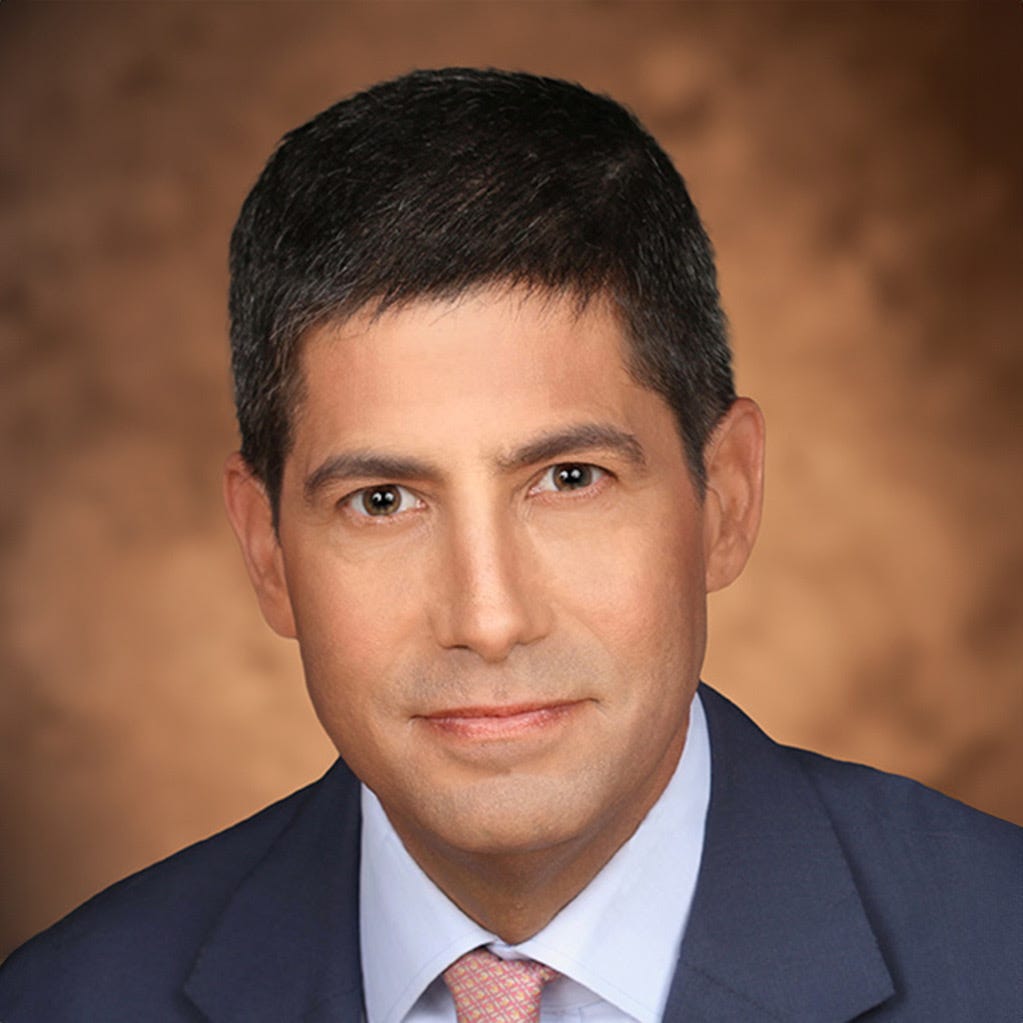
Kevin Warsh: Growth Doesn’t Always Cause Inflation

Trump’s Fed Pick Challenges the Old Rule on Prices and Prosperity
TL;DR
Kevin Warsh, Trump’s Fed nominee, argues that growth doesn’t automatically cause inflation. Supply-driven growth—AI, reshoring, energy expansion—can boost GDP and jobs without price spikes. The Fed’s role? Gradually shrink the balance sheet, let real productivity lead, and stop treating every economic uptick as a threat. This could mark a decades-long regime change in U.S. monetary policy.
For half a century, the Federal Reserve has followed one ironclad rule: strong growth will eventually spark inflation, so the central bank must cool things off before prices run away. Kevin Warsh—President Trump’s nominee for Fed Chair—believes that rule is outdated. And he thinks sticking to it has cost the economy dearly.
Warsh is not a career academic. He is a former Federal Reserve governor who served during the 2008 financial crisis, later advised multiple administrations, and has spent the past decade warning that easy money and an ever-expanding Fed balance sheet distort markets more than they help workers. In simple terms: he believes inflation comes from bad policy, not from people working and producing more.
To explain why, Warsh often looks back to the 1970s. Policymakers tried to force growth with easy money and heavy spending. Instead, they got stagflation: prices soared (gas tripled, groceries hurt) while jobs vanished. The lesson that stuck was blunt: growth is dangerous, so the Fed must always tighten early.
Warsh says that lesson missed the point. The real problem wasn’t growth—it was bad policy: too much money while supply was choked by oil shocks and over-regulation. In his view, today’s inflation risks come from similar mistakes: chronic deficits, production barriers, and a Federal Reserve still sitting on a massive $6–7 trillion balance sheet.
His central argument is simple: inflation does not automatically come with growth. It depends on how growth happens.
• Supply-driven growth — AI boosting output, new factories, cheaper energy, faster permitting — adds more goods and services. That kind of growth can keep prices stable or even push them lower.
• Demand-driven growth — too much cheap money chasing the same limited supply — bids prices up. Inflation follows.
Warsh wants the Fed to stop treating every economic uptick as an inflation threat. Instead, he argues for gradually shrinking the oversized balance sheet, staying focused on price stability and full employment, and letting real improvements do the work: deregulation, reshoring, energy abundance, and AI-driven productivity gains.
That said, Warsh has been clear that he supports cutting interest rates when economic data justifies it—especially to support households and small businesses in a high-debt environment. He sees measured rate reductions as compatible with discipline, as long as they are paired with supply-side reforms that expand capacity and keep inflation in check. In other words: cut rates thoughtfully, but don’t flood the system with liquidity or delay balance-sheet normalization.
This approach aligns closely with Trump’s broader economic team. Treasury Secretary Scott Bessent is pushing policies aimed at expanding domestic capacity—tariffs, tax cuts, deregulation, and faster approvals to bring production home. Stanley Druckenmiller, Warsh’s longtime partner at Duquesne Family Office, has repeatedly warned that endless liquidity distorts markets and widens inequality. Together, the group is shifting away from demand-side stimulus and toward supply-side foundations.
Markets reacted to the nomination with a mix of relief and caution. While some Wall Street names like Rick Rieder (BlackRock’s bond chief) were seen as more market-preferred for their steady, predictable touch, and Kevin Hassett (Trump’s NEC director) would have delivered the most aggressive, Trump-aligned dovish stance, Warsh lands in the middle: experienced, credible, and independent enough to maintain Fed autonomy while still open to measured easing. The dollar strengthened modestly post-announcement, yields ticked higher (signaling less aggressive cuts expected), and risk assets pared losses—suggesting markets see a disciplined but cooperative Fed rather than a radical shift.
I’m slightly surprised Trump picked Warsh given his previous hawkish stances—especially on the balance sheet and monetary restraint—since the president has often pushed for aggressive rate cuts and a more accommodative Fed. I’m also worried that Warsh may have been too hawkish during the 2008 financial crisis, where he did not advocate for printing enough money early on, contributing to what many saw as a very slow recovery that left millions out of work for years longer than necessary. Yet his track record of discipline may actually give him the credibility to deliver measured easing without markets panicking about Fed independence.
If this view takes hold, the old tradeoff—strong growth or low inflation—starts to fade. Higher productivity could mean more jobs, better wages, and rising living standards without constant rate hikes. The Fed would no longer have to play permanent growth cop.
Success is not guaranteed. Senate confirmation is uncertain, the Fed is a committee, and markets will test any shift quickly. Critics warn of overconfidence. Warsh’s response flips the concern: the real overconfidence was believing we could print our way to prosperity without building real capacity.
Markets ultimately follow capital flows more than headlines. Watch factory announcements, faster permitting timelines, AI capital-expenditure surges, and domestic energy projects. These supply-side gains could outweigh short-term volatility in yields or trade policy.
For crypto and AI-linked stocks, the picture is mixed: less automatic liquidity may pressure speculative plays short-term, while sustained productivity growth—from AI, onshoring, and energy expansion—could drive long-term upside for chipmakers, data centers, and crypto as a debasement hedge. Warsh has spoken positively about Bitcoin in the past, calling it an “important asset” that can act as a “policeman for policy” by signaling when policymakers err, and noting that “if you’re under 40, Bitcoin is your new gold”—reflecting its appeal to younger generations as a modern store of value.
Warsh’s nomination signals a potential regime change. For the first time in decades, U.S. economic policy is treating growth as the solution—not the enemy.
Sources & Further Reading
• Kevin Warsh profile and public remarks (Hoover Institution): https://www.hoover.org/profiles/kevin-warsh
• Kevin Warsh opinion essays on Federal Reserve policy (Wall Street Journal): https://www.wsj.com/news/author/kevin-warsh
• Federal Reserve balance sheet data (H.4.1, January 2026): https://www.federalreserve.gov/releases/h41/
• McKinsey Global Institute on AI, productivity, and growth: https://www.mckinsey.com/mgi
• U.S. Treasury leadership and policy updates: https://home.treasury.gov/